
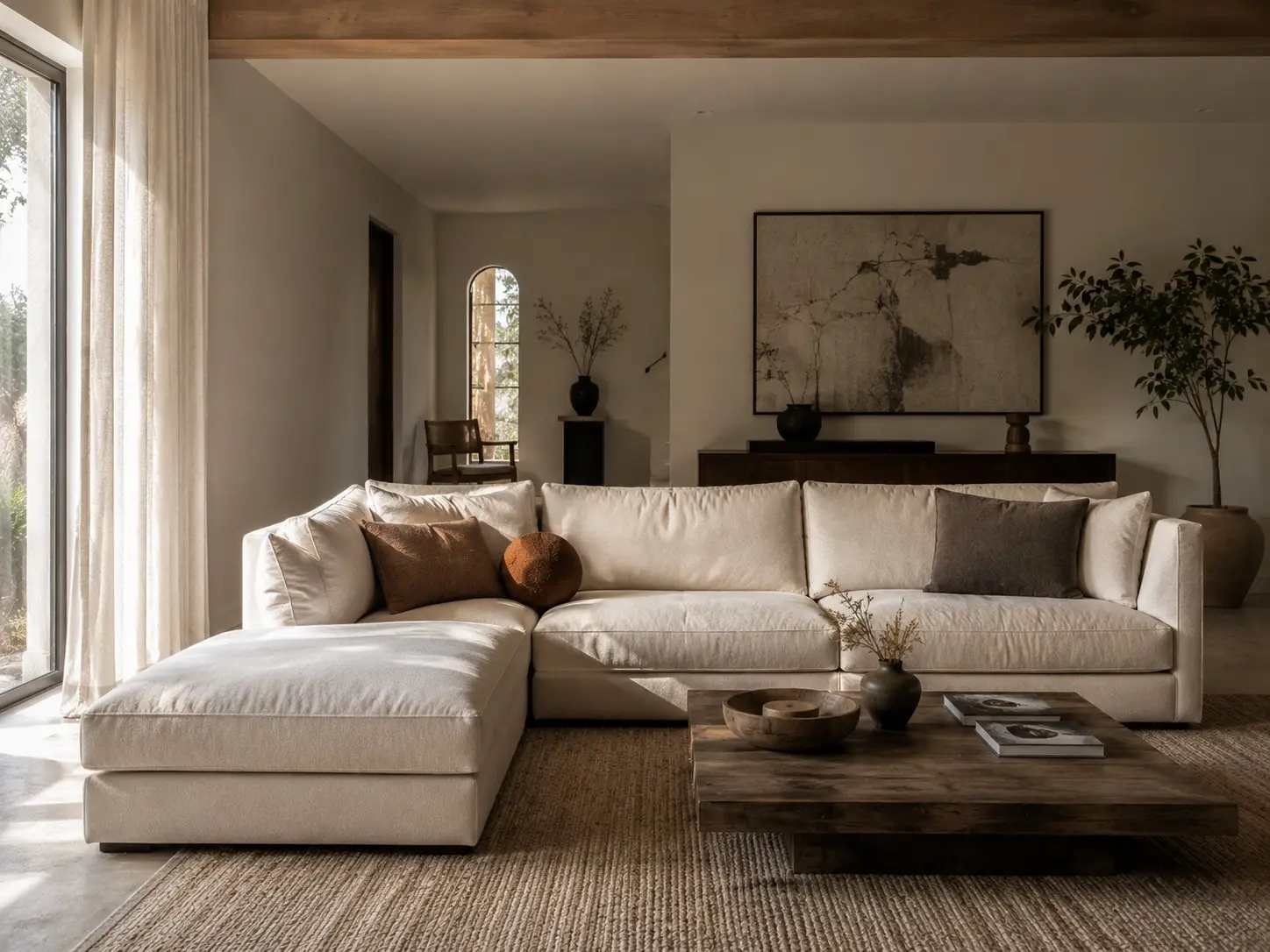
In furniture procurement, we always say that the sofa is the emotional anchor of a home. It is usually the largest piece of furniture in the living room, meaning it single-handedly dictates the flow of traffic, the hosting capacity, and the entire aesthetic direction of the space.
However, many overseas buyers and interior designers fall into the trap of picking a sofa based purely on aesthetics. After 15 years in the industry, I have seen beautiful sofas ruin layouts because the configuration didn’t match the lifestyle or the room’s actual geometry.
Selecting the right sofa requires a balance of spatial awareness and lifestyle alignment. Let’s break down the six core configurations ruling modern living rooms and how to choose the right one for your market or project.
1. The Linear Straight Sofa: The Timeless Space-Optimizer
The standard straight linear sofa remains the foundational bedrock of residential seating. Characterized by its clean, parallel lines, this configuration is designed to flush neatly against a primary wall.
I recommend linear setups for compact urban apartments, narrow townhouses, or dedicated formal reception rooms. It leaves the center of the room open, preventing smaller footprints from feeling claustrophobic. If a client hosts occasional gatherings but has limited square footage, pairing a 3-seater linear sofa with two movable accent chairs creates a flexible conversation zone without forcing a heavy, permanent footprint on the space.
2. L-Shaped Sectionals: Maximizing Corner Real Estate
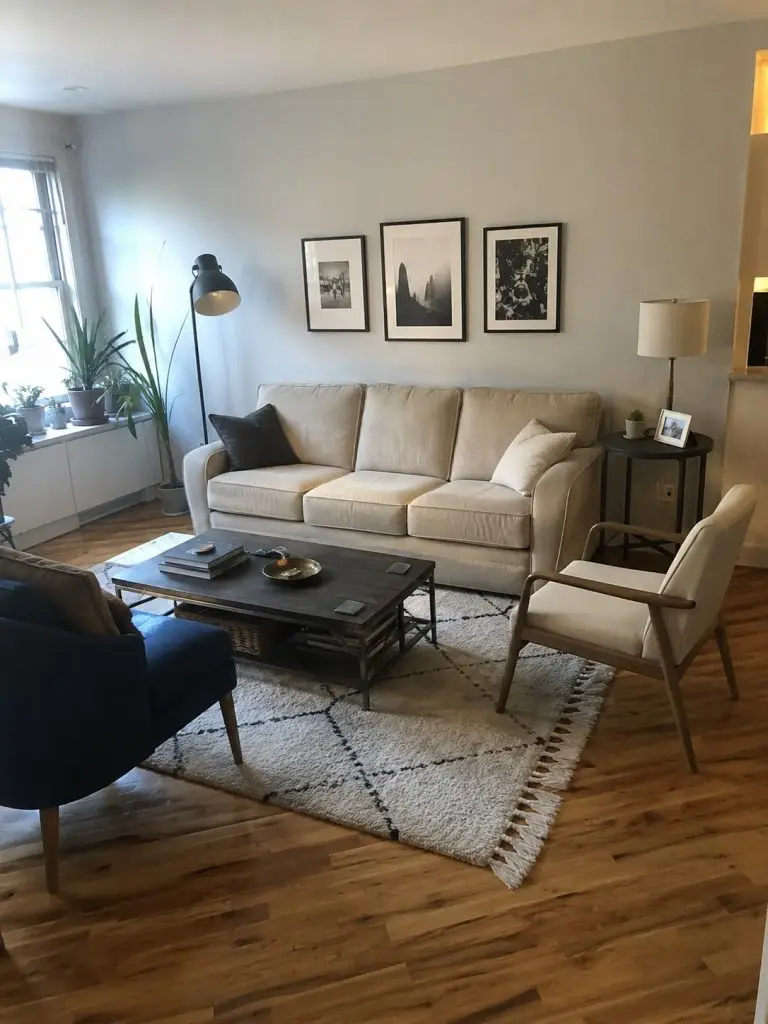
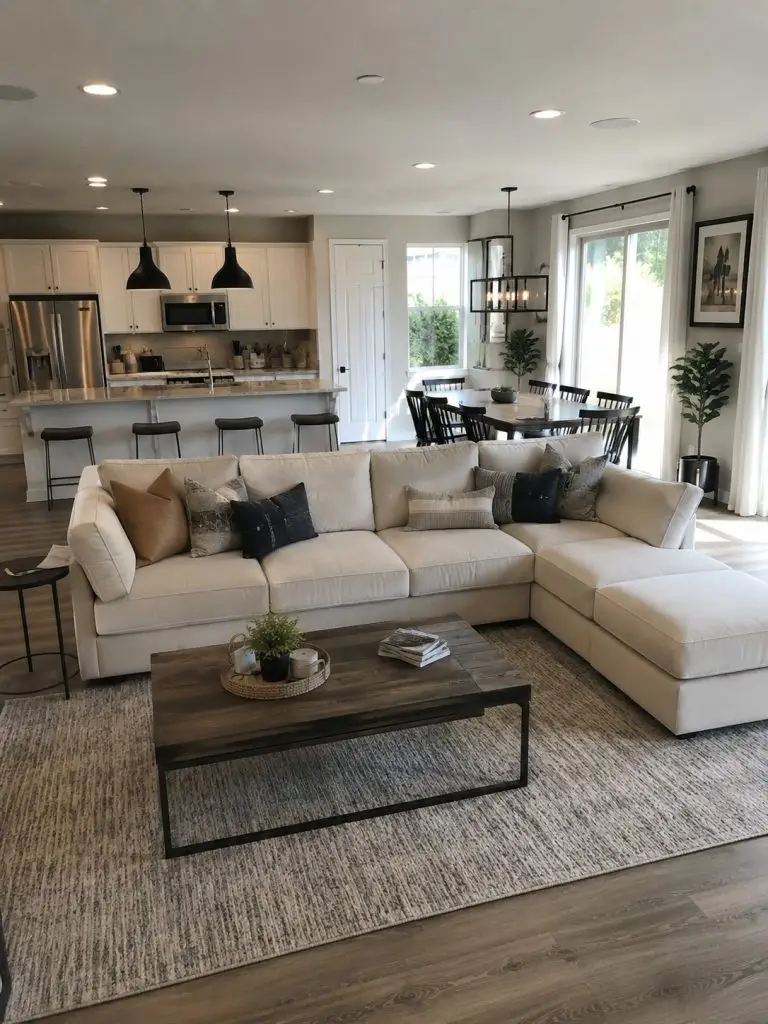
The L-shaped configuration is arguably the most requested layout for modern family homes. By incorporating an extended chaise or an intersecting seating section, it turns an underutilized corner into a high-utility lounge zone.
The beauty of the L-shape is its adaptability. It can be tucked into a corner to open up a room, or placed in the center of an open-concept floor plan to act as a physical divider between the dining area and the living room.
A Common Pitfall to Avoid: When ordering an L-shaped sectional from an international manufacturer, always specify if you need a Left-Facing Chaise (LAF) or a Right-Facing Chaise (RAF). Stand directly in front of the sofa looking at it—whichever side the lounge section extends out on determines the orientation. Getting this wrong can completely block your primary walkways.
3. U-Shaped Sectionals: The Pinnacle of Conversational Hosting
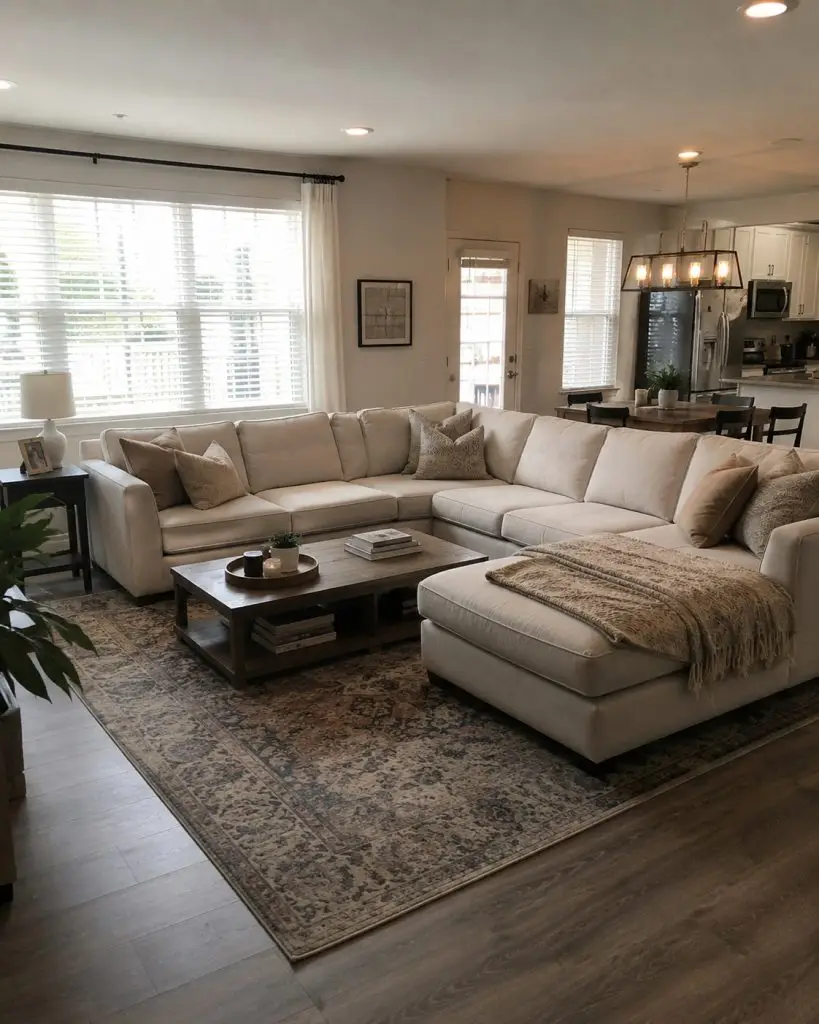
For expansive luxury villas, open-concept penthouses, or dedicated media rooms, a U-shaped configuration is unmatched. This setup features a central seating bank flanked by two extending wings, wrapping the room’s conversational center.
A U-shape naturally fosters an intimate, inclusive atmosphere. Everyone faces each other, making it perfect for hosting large-scale social events, extended family entertainment, or deep conversation.
However, it demands significant floor space. You need to ensure there is at least 3 to 4 feet of clearance around all outer edges of the “U” to allow for comfortable traffic flow. If the space is too tight, a U-shape can make a room feel like an enclosed fortress.
4. Curved and Curved-Corner (Organic) Sofas: Breaking the Linear Grid
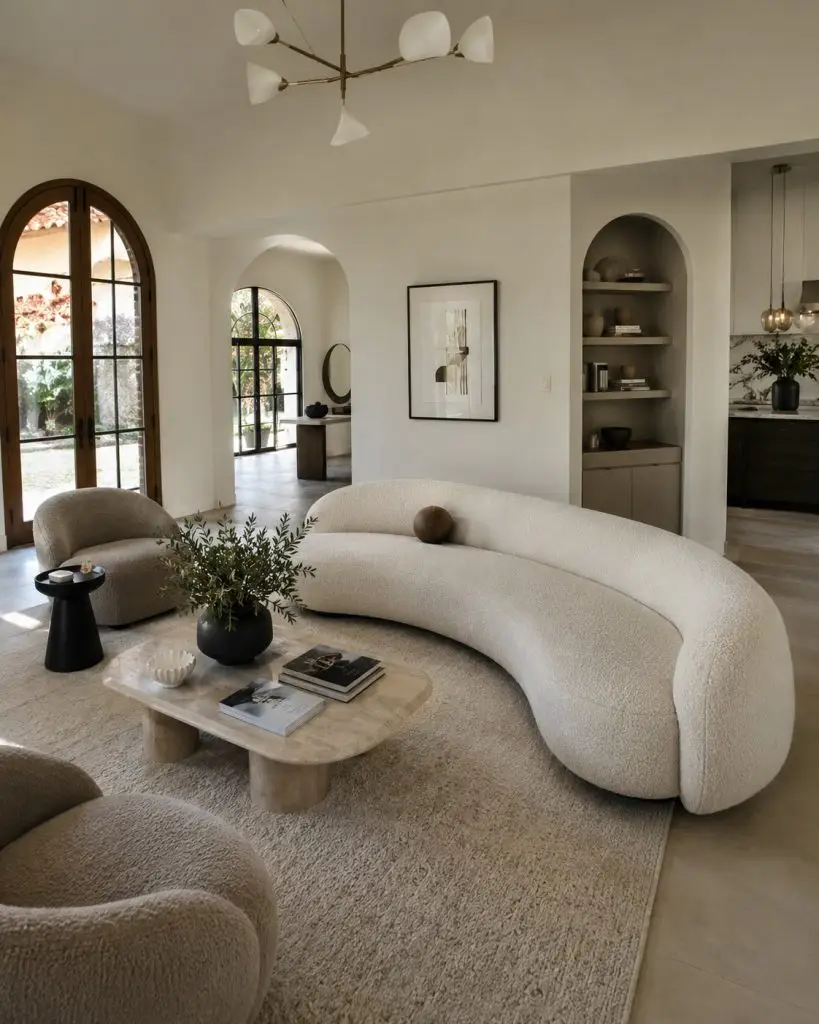
Driven by the rise of minimalist luxury and organic modernism, irregular and curved sofas have moved from avant-garde design galleries straight into high-end residential projects. These pieces abandon sharp angles in favor of sweeping curves, arcs, and fluid silhouettes.
An organic curved sofa acts as a sculptural centerpiece. It is not meant to be pushed flat against a wall; it needs breathing room to be appreciated from all 360 degrees. It works exceptionally well in homes with architectural curves, arched entryways, or minimalist, art-driven aesthetics. The trade-off? They are highly customized and more challenging to fit with standard rectangular rugs or coffee tables.
5. Modular Sofa Systems: The Future of Dynamic Space Management
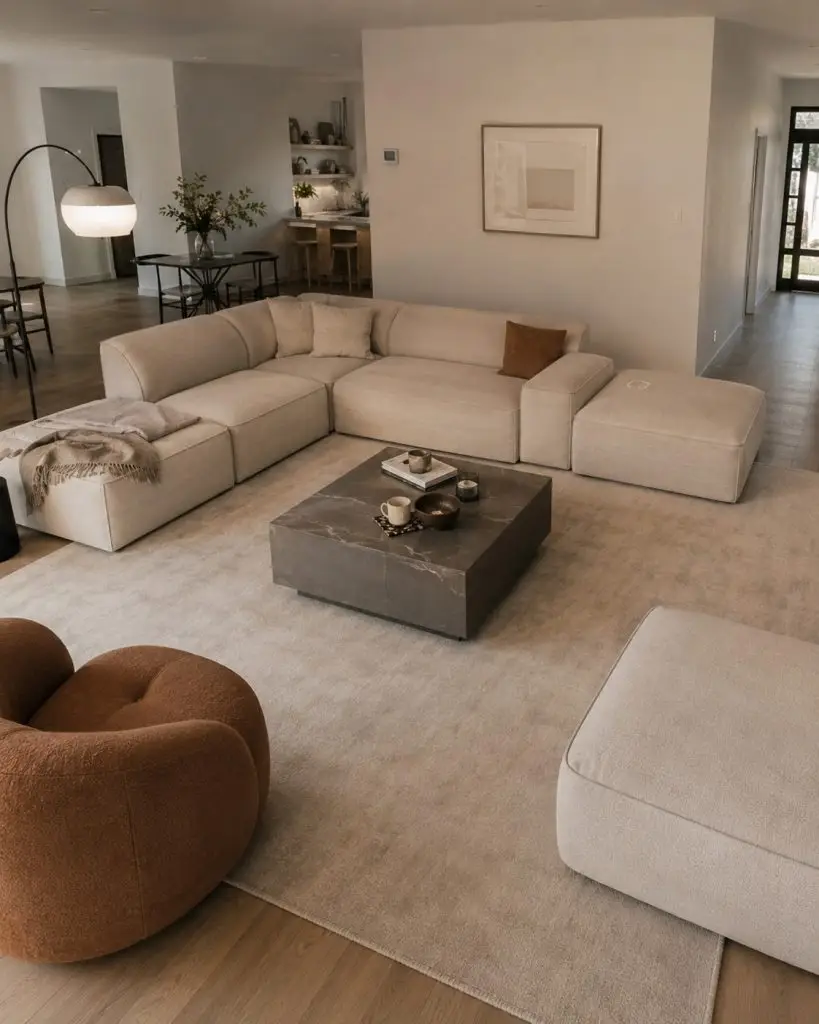
The modular sofa has surged in popularity because it treats furniture as a living, evolving system rather than a static block. These systems consist of independent modules—corner units, armless middles, and ottomans—that can be rearranged at a moment’s notice.
Modular systems are highly strategic for real estate developers and rental property managers. If a tenant moves from a wide-open layout to a narrower space, they don’t need to purchase a new sofa; they simply unclip the modules and reconfigure the layout. It also simplifies international shipping, as packing square, uniform modules into a container minimizes wasted air space and lowers transport costs compared to shipping large, rigid, pre-assembled frames.
6. The Solo Accent Sofa: Crafting Micro-Spaces
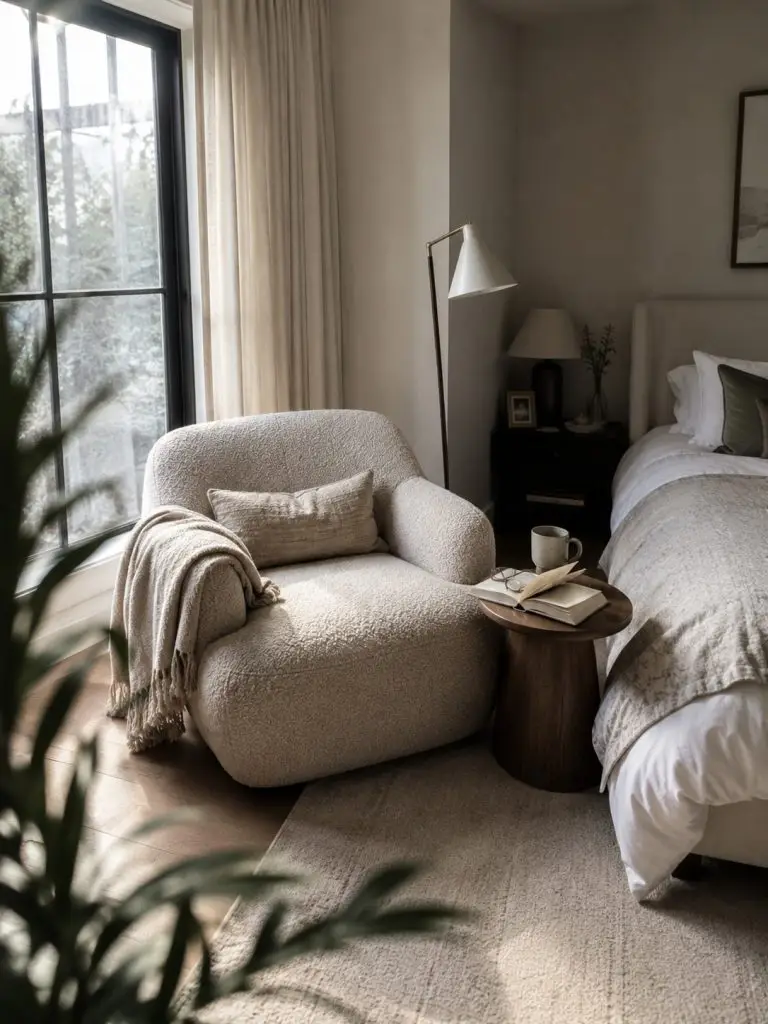
A cohesive living ecosystem shouldn’t rely solely on group seating. The single-person accent sofa or oversized armchair is essential for layering texture and scale within a room.
Whether it is a sleek Italian minimalist piece or a deep, plush lounge chair, the solo sofa creates a dedicated sanctuary for reading, contemplation, or resting. Beyond the living room, placing a premium accent chair in a master bedroom suite, a private study, or a spacious foyer instantly elevates the perceived value and luxury level of the property.
Sourcing Checklist: Finding Your Project’s Perfect Fit
If you are sourcing for an upcoming residential project or updating your inventory, remember that premium tailoring and internal frame engineering matter just as much as the configuration. High-end collections achieve their reputation by combining precise structural joinery with ergonomic density ratios that look sophisticated while standing up to decades of daily use.
Map your room’s traffic paths, measure your doorways for delivery clearance, and select the configuration that complements how the occupants truly live.